
When a regional hotel our shop window online puts a hold-and-win schedule on its pokies, the conversation shifts from casual play to something closer to event management. I have spent years advising local operators on how to structure these promotions without losing sight of commercial discipline, and the difference between a well-run room and a noisy one usually comes down to supplier selection, payout transparency, and how the property handles the slow weeks between big draws. A hold-and-win hotel with pokies is not a separate product category so much as a scheduling model layered over standard gaming terminals, and the way that layer is built determines whether the room feels fair, organised, and worth returning to.
How the Model Works in Practice
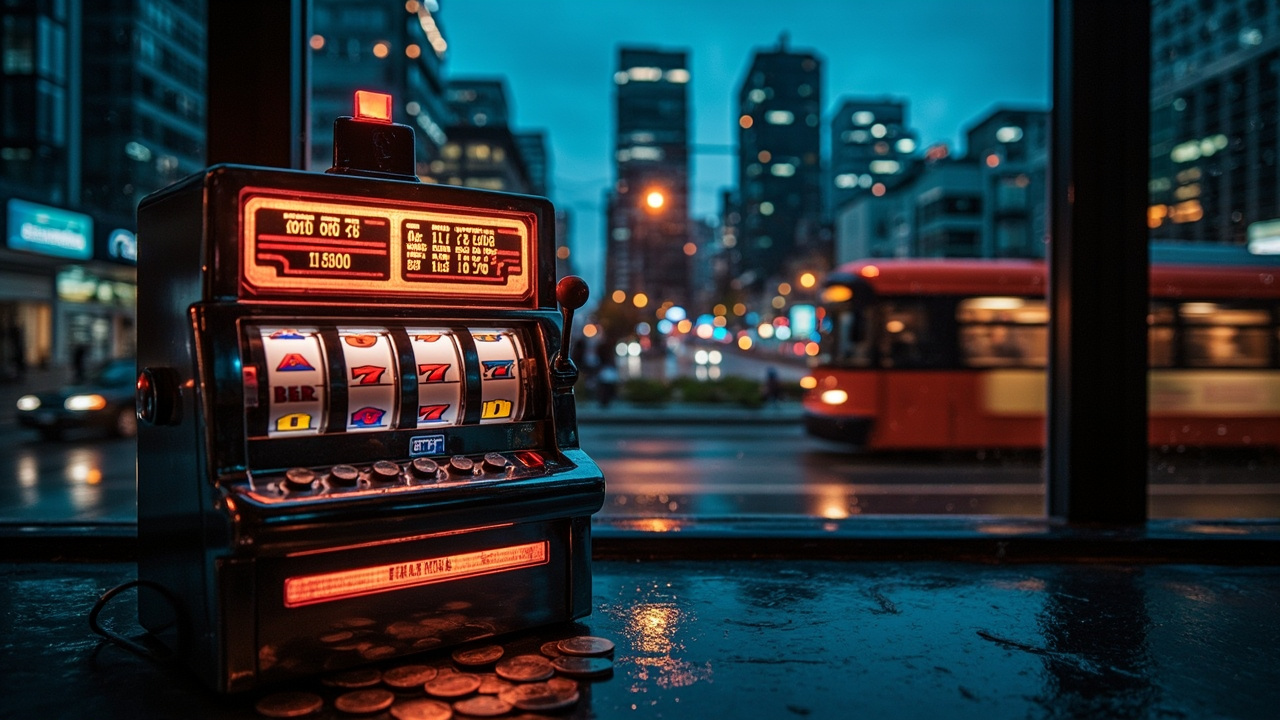
The basic idea is straightforward: a hotel sets a ticketed or entry-based pool, a portion of pokies revenue feeds the prize fund over a fixed window, and the draw happens at a scheduled time rather than on a continuous trigger. In regional New South Wales, I have watched properties run these across a single week or stretch them over a month, and the ones that survive the arvo rush are the ones that publish the mechanics before the first spin. A measured operator will spell out the contribution rate, the prize structure, and whether the pool rolls over if it goes unclaimed. That level of clarity matters more than the headline prize, because players quickly learn to read a room by how openly it talks about the maths underneath the promotion.
There is a practical observation worth noting: a couple of smaller venues I have advised noticed that the same machine can feel entirely different once it is tied to a scheduled prize. The pokies themselves are unchanged, but the room’s energy shifts when a draw is visible on the wall and the staff can answer questions about the pool without hesitation. That shift is not accidental. It comes from treating the promotion as part of the property’s commercial calendar rather than a one-off hook.
It is a subtle reminder that perceived value often matters more than the hardware itself. For operators looking to replicate this atmosphere, studying how leadership shapes engagement is crucial, as discussed in CEO Magazine insights. Ultimately, the machine becomes a backdrop for a broader narrative about opportunity and trust.
Review Focus: Trust, Support, and Account Controls
The review focus here is the part that separates a competent hold-and-win hotel with pokies from one that simply hopes for a busy weekend. Licensing is the first line of defence, and in this country that means state-level regulators set the boundaries for how a property can advertise, contribute, and pay out. A hotel that handles this properly will keep its promotional terms consistent with its gaming licence conditions, keep player-facing records available to the relevant authority, and avoid language that suggests any outcome is predictable. Security on the floor matters as well: terminals tied to a prize pool should be monitored with the same rigour as any other gaming device, and the property should be able to explain, in plain terms, how the pool is tracked and reconciled.
Support is where many rooms quietly separate themselves. A well-run property trains its staff to answer questions about the hold-and-win schedule without improvising, and it gives players a clear path if something looks off with a ticket, a receipt, or a terminal display. Responsible-play tools should be visible and usable, not buried behind a counter conversation. That includes access to self-exclusion options, sensible session reminders where the property offers them, and privacy handling that does not treat a player’s entry details as a marketing list by default. I have seen supplier strategy make or break this side of the operation: a provider that supplies clear reporting and stable terminal behaviour makes the hotel’s compliance and support work far easier, while a vague or unstable setup forces the property to patch gaps with staff time that should be spent elsewhere.
Review Focus: Jackpots, Odds, and Player Expectations
A hold-and-win hotel with pokies is often sold on the appeal of a larger, more visible prize, so the way odds and jackpot mechanics are communicated becomes central to the player experience. One point worth stating plainly is that choosing higher, less popular numbers won’t improve odds but can reduce the chance of splitting a jackpot. That is a modest but real distinction, and it is the kind of practical detail a thoughtful property can put in front of players without dressing it up as a secret system. The larger lesson is that prize communication should be honest about randomness, timing, and the fact that a scheduled pool does not change the underlying return of the machines themselves.
For venues promoting these games, clarity around payout structures helps manage expectations while maintaining engagement. Players looking to compare different hold-and-win pokies can find detailed breakdowns at slots in crownslots. Ultimately, understanding how the mechanics work supports more informed decisions when chasing those life-changing sums.
I have watched two regional rooms handle this differently. One printed the pool rules in plain language, kept the draw time visible, and treated the prize as a scheduled event with fixed terms. The other leaned on the idea that a big prize was “due”, which is the sort of phrasing that creates expectations the maths does not support. The difference is not glamour; it is commercial discipline. A hotel that respects the randomness of the terminals and the structure of the pool tends to keep players returning because the room feels predictable in the ways that matter, even when the outcome of any single session never is.
Commercial Oversight and Supplier Strategy
From a managing-director perspective, a hold-and-win hotel with pokies has to balance the promotional upside against the cost of running a room that can stand behind its own terms. Supplier strategy is where that balance is tested. The right provider will fit the property’s footprint, support the reporting the hotel needs for compliance and accounting, and keep the terminal behaviour stable enough that staff are not spending the busy arvo troubleshooting displays. I have found that a smaller, well-chosen supplier relationship often outperforms a flashy roster when the property is trying to run a scheduled prize model with limited back-of-house resources. The commercial question is not which provider sounds most impressive in a pitch; it is which one helps the hotel keep its promises to players without adding friction to the floor.
Loyalty and repeat play should be treated as part of the same picture rather than a separate gimmick. A hotel that links its hold-and-win schedule to a sensible loyalty approach, without making the prize feel conditional on excessive spend, tends to keep the room sustainable across the quiet weeks. Liam Foster, Marketing Director, Coastal Wager Research, has noted that scheduled prize events work best when the property treats them as part of a longer commercial rhythm rather than a standalone spike, and that view lines up with what I have seen on the ground: the rooms that last are the ones that plan the promotion around staffing, reporting, and player communication instead of chasing a single busy night. For operators comparing their own options, it is worth looking at how a property structures its floor and promotional calendar in practice, and details like slots in crownslots can be a useful reference point when thinking about how different setups present their gaming offerings.Foxsports
A hold-and-win hotel with pokies earns its place by being clear, consistent, and careful with the way it talks about prizes and play. The properties worth returning to are the ones that treat the promotion as a managed part of the business, keep their support and compliance work visible, and do not ask players to read between the lines. If a room can do that, the scheduled prize becomes a genuine reason to visit rather than a temporary lure, and the room itself feels more like a properly run venue than a one-off draw wrapped in noise.
